In this auspicious occasion, we are delighted to delve into the intriguing topic related to 2025 4runner vs 2025. Let’s weave interesting information and offer fresh perspectives to the readers.


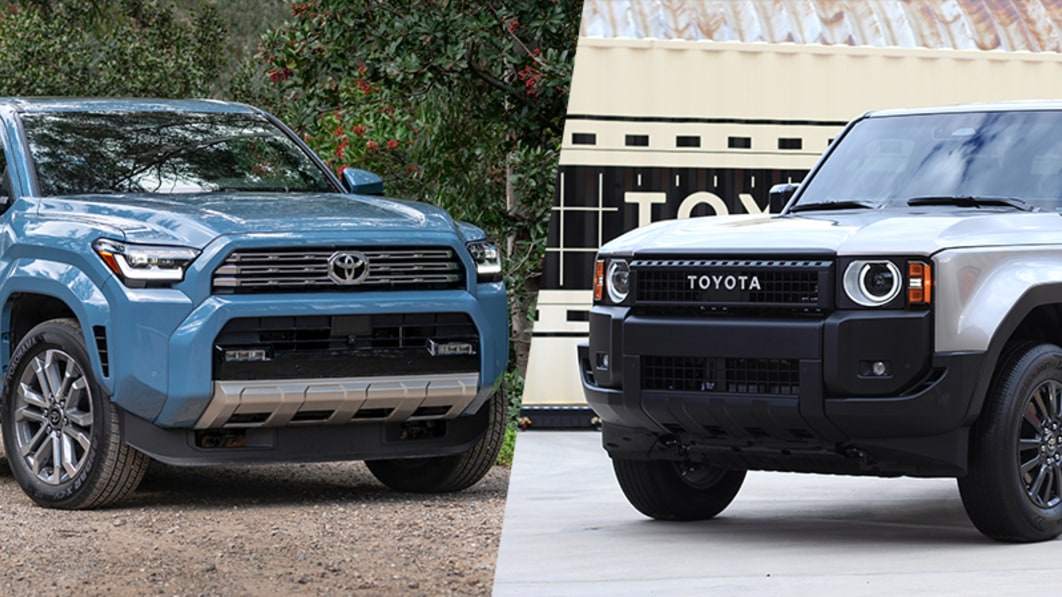
The year 2025 is on the horizon, and the automotive industry is undergoing a dramatic transformation. While the future holds exciting possibilities, it also presents a challenging landscape for established brands like Toyota. The iconic 4Runner, a staple in off-roading and adventure for decades, faces an uncertain future as it navigates the evolving demands of consumers and the industry.
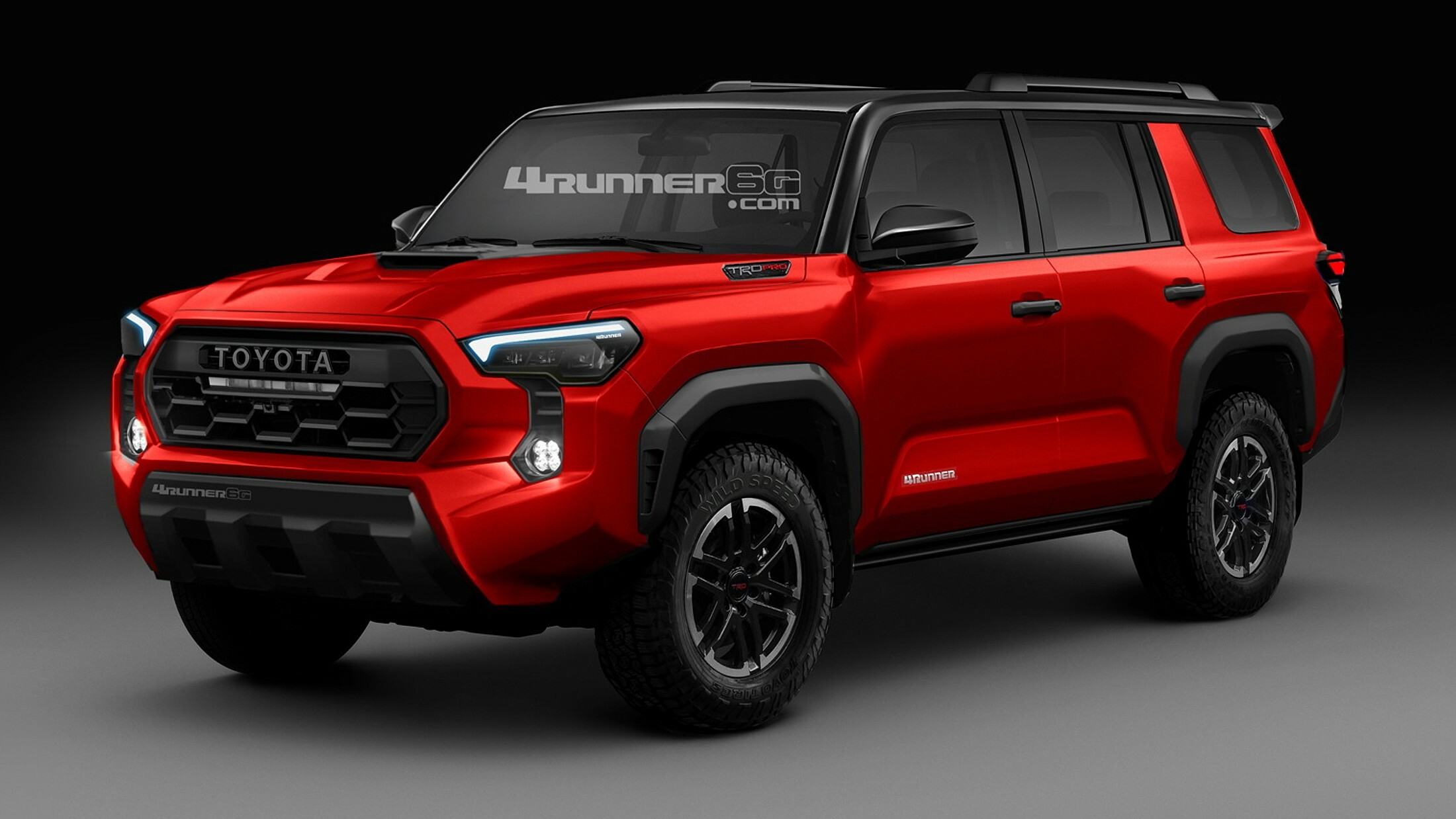
This article examines the 2025 Toyota 4Runner, its potential position within the market, and the key factors that will shape its success. We explore the competitive landscape, technological advancements, and consumer preferences that will influence the 4Runner’s trajectory.
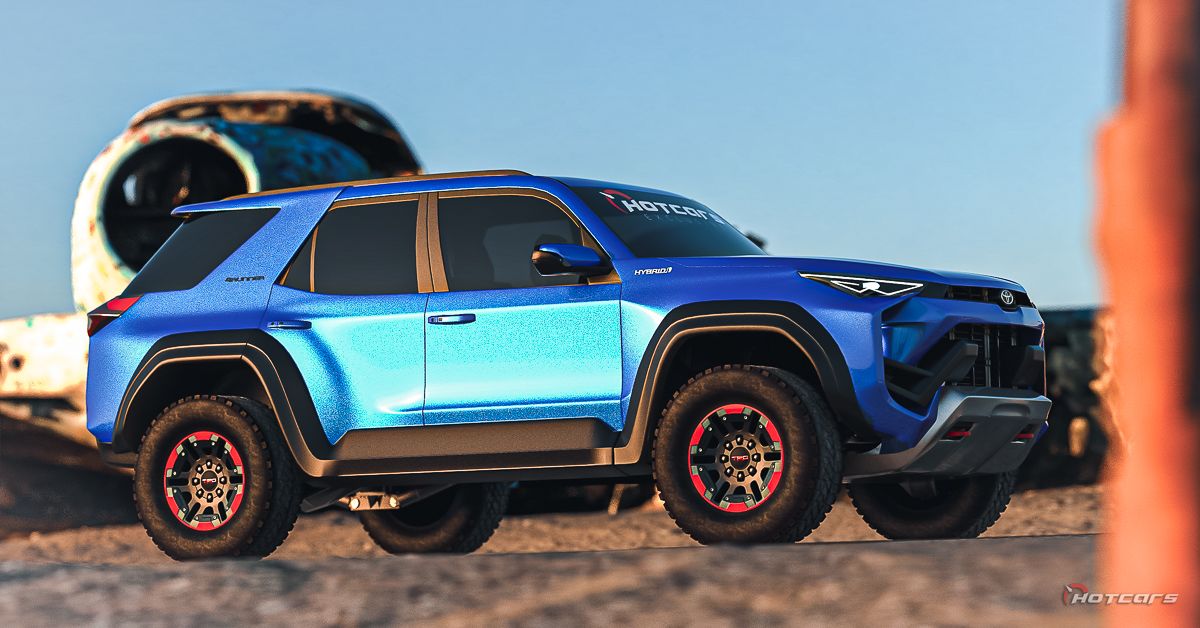
The Toyota 4Runner has carved a niche for itself as a rugged and reliable SUV, appealing to those seeking adventure and off-road capability. Its body-on-frame construction, powerful engine options, and durable build have solidified its reputation for dependability and longevity.
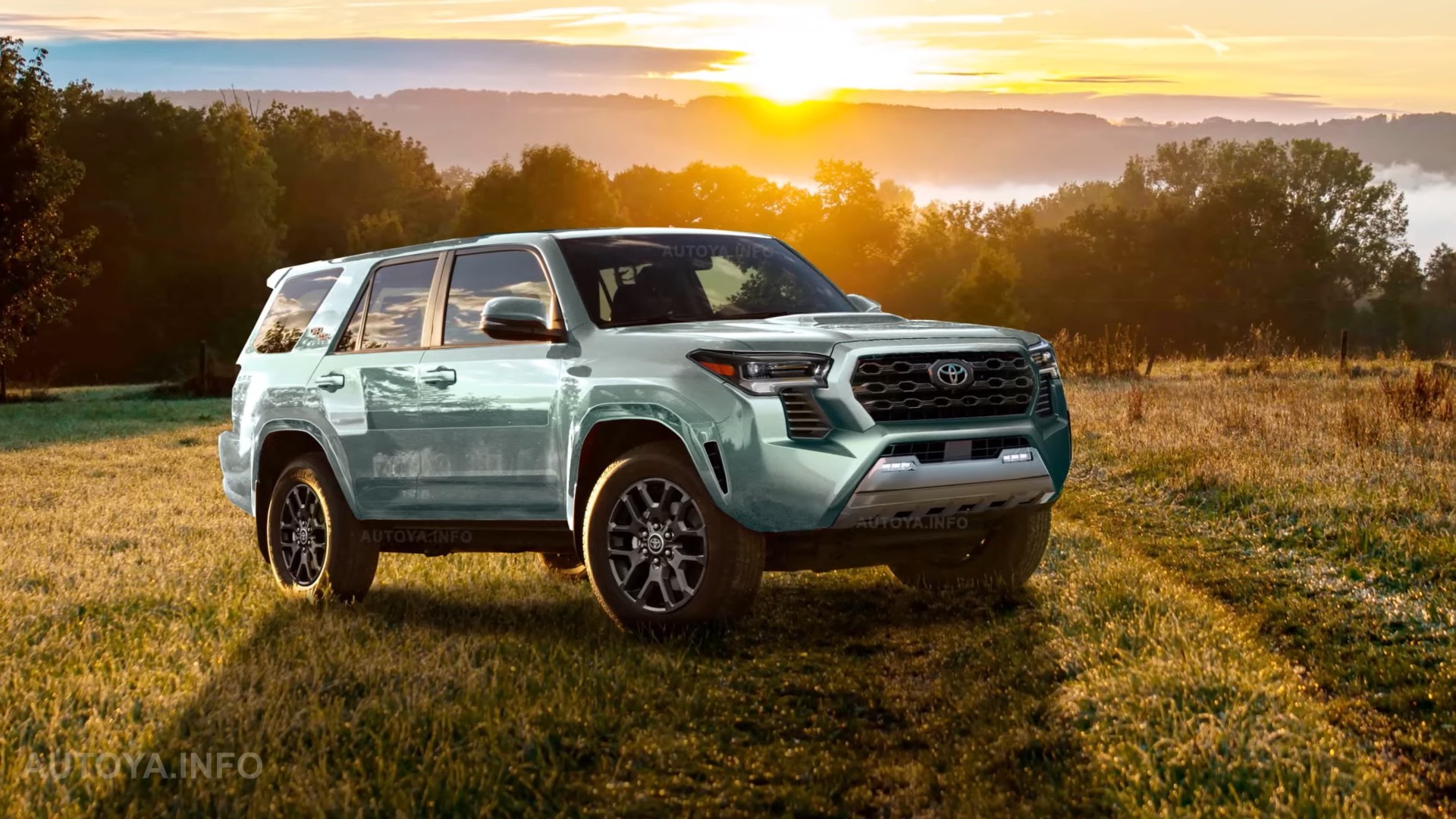
However, the 4Runner’s success has been built on a foundation of traditional design and features. As the automotive industry embraces electrification, autonomous driving, and advanced connectivity, the 4Runner’s future hinges on its ability to adapt and innovate.

The year 2025 will see a significant shift in the automotive landscape. Several key trends will shape consumer preferences and industry priorities:

The success of the 2025 4Runner will depend on Toyota’s ability to navigate the delicate balance between preserving its core values and embracing the technological advancements shaping the automotive industry.
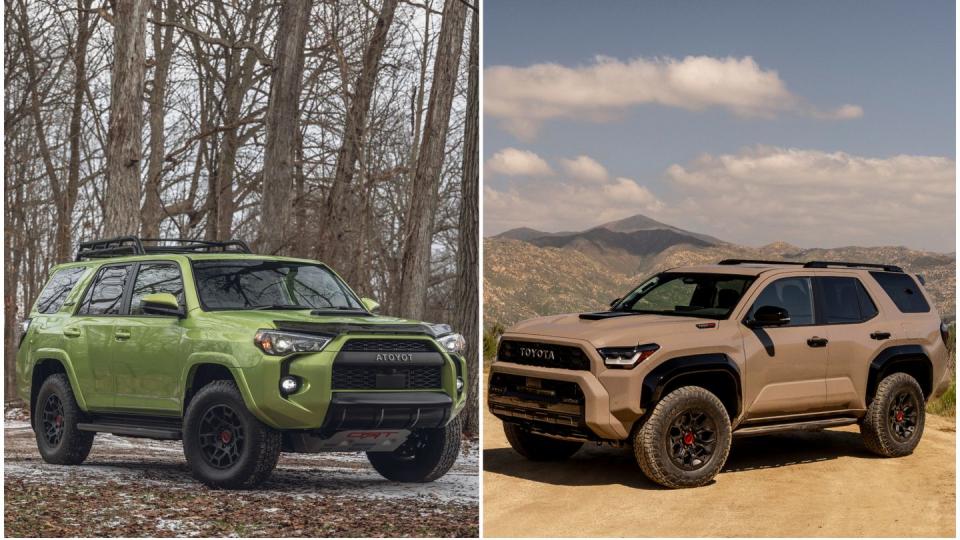
While it is possible, it is not confirmed if the 2025 4Runner will be fully electric. However, given the industry trends, Toyota may introduce hybrid or plug-in hybrid versions to meet evolving consumer demands and regulations.
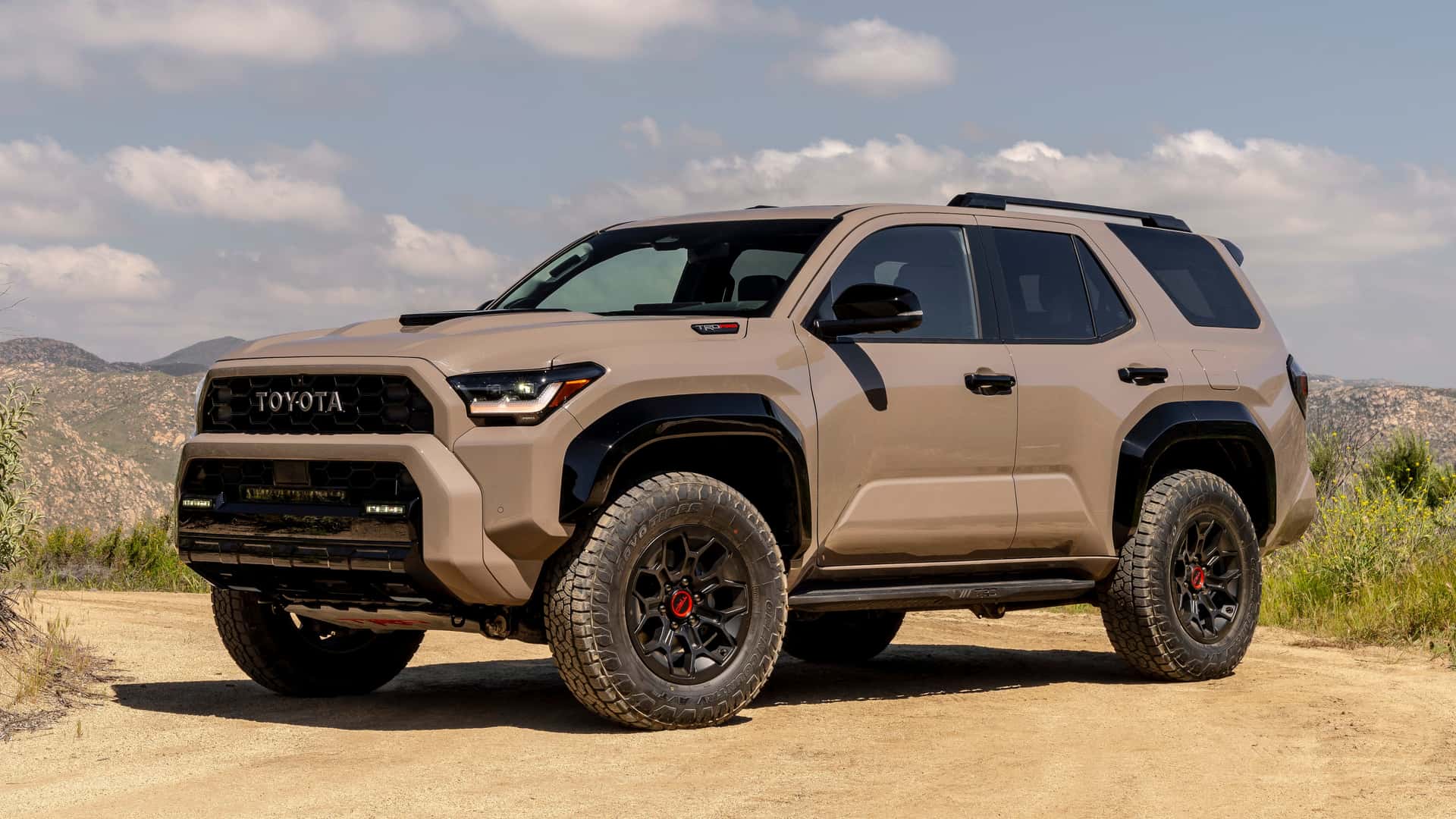
It is highly probable that the 2025 4Runner will incorporate advanced driver-assistance systems (ADAS) and potentially some level of autonomous driving capabilities. The extent of these features will depend on Toyota’s strategy and technological advancements.
While the 2025 4Runner may incorporate new technologies, Toyota is likely to maintain its core off-road capabilities. The 4Runner’s reputation for ruggedness and off-road performance is a significant part of its appeal.
It is likely that the 2025 4Runner will be more expensive than its current model. The incorporation of new technologies, such as hybrid or electric powertrains, advanced safety features, and connectivity solutions, will contribute to a higher price tag.
The future of the 2025 Toyota 4Runner is uncertain. The vehicle faces a challenging landscape of evolving consumer preferences, technological advancements, and industry trends. Its success will depend on Toyota’s ability to balance its legacy of ruggedness and reliability with the demands of a rapidly changing automotive world. The 4Runner’s ability to adapt and innovate will determine its place in the future of SUVs.


Thus, we hope this article has provided valuable insights into 2025 4runner vs 2025. We thank you for taking the time to read this article. See you in our next article!
Your email address will not be published.